When you picture a construction project, you probably imagine the finished result. Maybe you see a beautiful new home, a spacious shop, a commercial building, or a carefully designed outdoor space. Before any of that can happen, however, crews need to prepare the land.
One of the most important parts of that preparation is site grading. While grading may not seem as exciting as framing a building or choosing finishes, it provides an important foundation for a successful construction project. Proper site grading helps create a stable building area, manage water, improve drainage, establish access, and prepare the site for everything that comes next.
For property owners in Heber City and the surrounding areas, understanding site grading can help you make better decisions before construction begins. At Peterson Excavating, we know that every site presents its own challenges. Slopes, soil conditions, drainage patterns, existing vegetation, and elevation changes can all affect how crews prepare the land.
So, what exactly does site grading involve, and why does it matter so much? Let’s take a closer look.
Site grading involves changing the slope and elevation of the ground to create a suitable surface for construction or other improvements. Excavation professionals may remove soil from higher areas, add fill material to lower areas, or redistribute existing soil across the site.
The goal is not always to create a perfectly flat piece of land. In fact, a completely flat site can create drainage problems because water has nowhere to go. Instead, proper grading creates controlled slopes that direct water where it needs to go while providing stable areas for buildings, driveways, landscaping, and other improvements.
Site grading and leveling often work together. Grading establishes the appropriate slopes and elevations, while leveling helps create surfaces that meet the specifications required for different parts of a construction project.
Together, these processes can transform an uneven or difficult site into a prepared construction area.
A construction project depends on a solid foundation, and that foundation begins with the ground beneath it. If the site does not have the appropriate grade before construction starts, problems can develop throughout the project.
Starting with proper site grading allows contractors to establish the correct elevations and prepare the land for the next phases of construction. It can also prevent crews from having to make expensive corrections later.
Think of site grading as preparing a blank canvas. Before you can build the structure you have planned, you need to make sure the surface underneath it can support that plan.
Trying to skip or rush this step can create problems with drainage, foundations, driveways, landscaping, and accessibility. Taking the time to prepare the site correctly can make the rest of the construction process much smoother.
One of the biggest reasons site grading matters is water management.
Rain and melting snow naturally move downhill. If your site does not have appropriate slopes, water can collect around a future foundation, pool in low areas, or flow toward places where you do not want it.
Proper site grading gives water a planned path.
Contractors can shape the land so that water moves away from buildings and toward appropriate drainage areas. Depending on the project, grading may work alongside drainage systems, swales, culverts, retaining walls, or other solutions.
This becomes especially important in Utah, where seasonal weather can bring significant changes in precipitation and snowmelt. Good grading helps your site handle water instead of allowing runoff to create avoidable problems.
When crews plan drainage during site preparation, they can address water movement before it becomes a problem. That proactive approach can help protect foundations, landscaping, driveways, and other improvements.
A building needs a stable surface. If the soil beneath a foundation shifts or settles unevenly, the structure can experience problems.
Site grading and leveling help contractors prepare the ground for the foundation. This process may involve removing unsuitable material, compacting soil, bringing in appropriate fill, and establishing the correct elevations.
The exact approach depends on the site and construction plans. Some projects require relatively simple grading, while others may need extensive excavation and fill work.
Experienced excavation contractors understand that simply moving dirt around does not automatically create a suitable building site. Crews need to consider soil conditions, compaction, elevation, drainage, and the requirements of the future structure.
Proper preparation creates a better starting point for the foundation contractor and other construction professionals who follow.
Many sites around Heber City feature natural slopes and changes in elevation. Those characteristics can provide beautiful views and interesting landscapes, but they can also create additional challenges during construction.
A sloped site may require more extensive excavation and grading before crews can begin building. Depending on the terrain, contractors may cut into higher areas, add fill to lower areas, or create multiple levels.
In some cases, site grading may also work with retaining walls to stabilize slopes and create usable areas. The right solution depends on the site and the construction plans.
Instead of viewing a slope as a problem, professional grading can help you work with the natural terrain. The goal is to create a site that supports your project while respecting the characteristics of the surrounding land.
This approach can prove especially valuable in the Heber Valley, where elevation changes and natural terrain play an important role in many properties.
Site grading does not only prepare the building area. It can also establish access throughout the property.
Before construction begins, heavy equipment and construction vehicles need a safe way to reach the building site. A properly graded driveway or access road can make it easier for crews to move materials and equipment.
After construction, the same grading can support a functional driveway, parking area, walkway, or other access point.
If the site slopes significantly, grading becomes especially important. Contractors need to establish appropriate elevations and slopes so vehicles can access the property safely and water does not collect on the finished surface.
Planning access during the grading phase can also help construction crews work more efficiently. Rather than creating temporary access and addressing permanent solutions later, contractors can consider the long-term layout from the beginning.
Construction sites require more than a building foundation. Homes and other structures also need utilities such as water, sewer, electricity, and other services.
Site grading can help establish the elevations needed for utility installation and ensure that different parts of the site work together.
For example, sewer systems often rely on gravity and require appropriate elevations for proper flow. If the site does not have the correct grade, utility installation can become more complicated.
Planning grading early allows contractors to coordinate site preparation with other construction requirements. Proper elevations can help different components of the project connect as planned.
This is another reason why grading should happen early rather than as an afterthought.
It is easy to focus on the building itself and forget about the surrounding land. However, landscaping also depends on good grading.
A yard needs appropriate slopes to move water away from structures and prevent standing water. Planting areas, lawns, patios, walkways, and other outdoor features all benefit from a well-prepared site.
By considering the final landscape during the grading process, you can create a site that functions as a whole instead of treating the building and yard as completely separate projects.
Good site grading today can make future landscaping easier and more predictable. It can also help you create outdoor spaces that work naturally with the finished elevation of the property.
The grading process varies from site to site, but most projects begin with an assessment of the existing land and construction plans.
The excavation contractor looks at the terrain, identifies high and low points, considers drainage, and reviews the desired finished elevations. The crew then develops an approach for moving soil and shaping the site.
Depending on the project, the work may include clearing vegetation, removing existing material, excavating soil, importing fill, spreading material, compacting soil, and creating specific slopes and elevations.
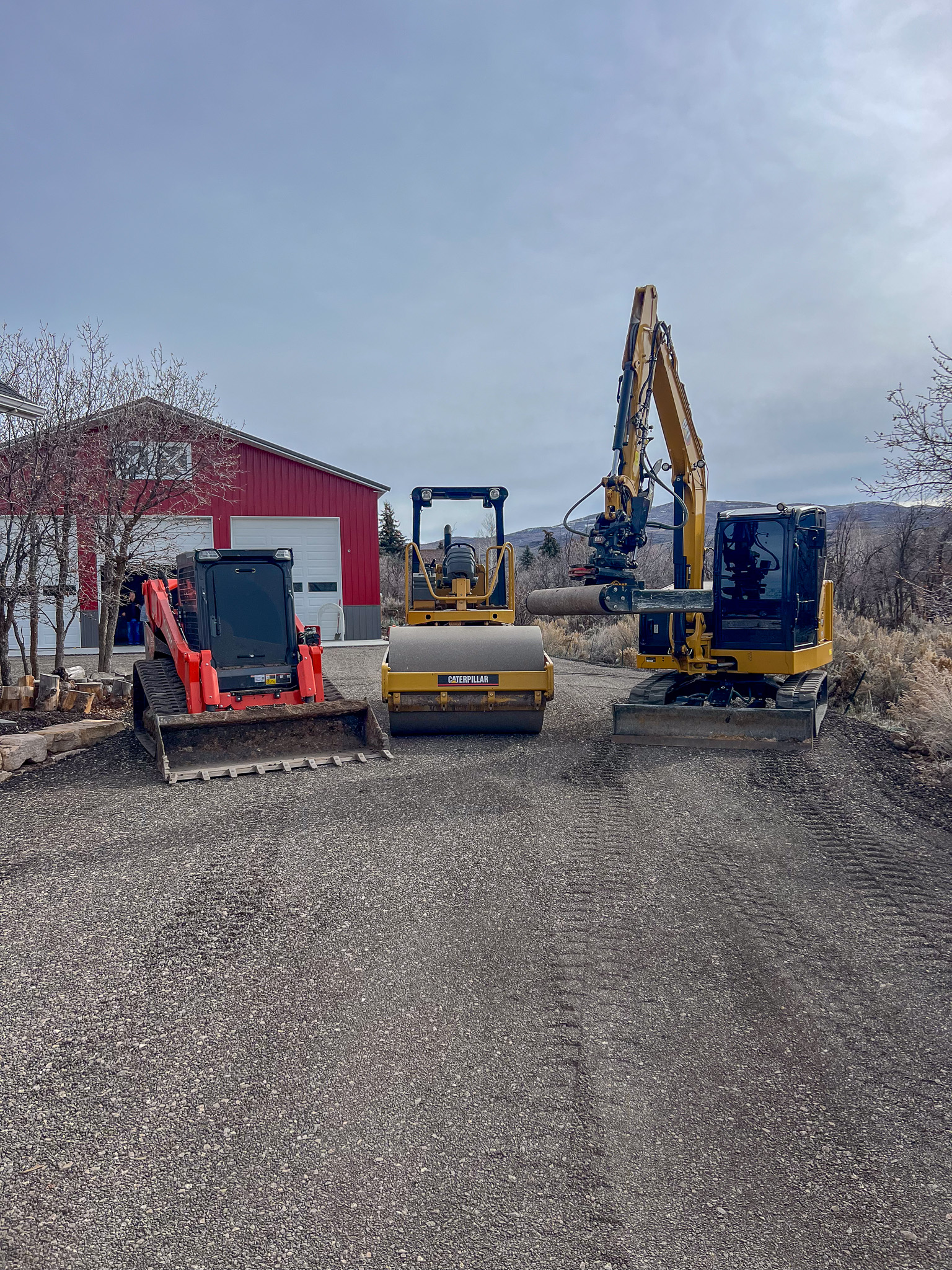
Crews may use heavy equipment such as excavators, loaders, dozers, and grading equipment to shape the land.
Throughout the process, accuracy matters. The finished grade needs to match the requirements of the construction plans and account for drainage, access, utilities, and other site considerations.
Every piece of land has its own characteristics. Two sites located only a short distance apart can have completely different soil, drainage, and elevation challenges.
That is why experience matters when choosing an excavation contractor.
At Peterson Excavating, we work with property owners throughout Heber City and surrounding areas to prepare sites for construction and other improvements. We understand that successful excavation requires more than moving dirt. It requires careful planning and an understanding of how the site needs to function when the project reaches completion.
An experienced contractor can identify potential grading challenges early, helping you address them before they become larger construction issues.
Property owners sometimes underestimate how much planning site grading requires. One common mistake involves focusing only on the building pad while overlooking the rest of the site.
Another mistake involves failing to consider drainage. A site may look level and attractive immediately after grading, but if the slopes do not direct water appropriately, problems can develop later.
Some property owners also assume that the cheapest grading option will always provide the best value. Poor site preparation can lead to additional work and expenses later in the construction process.
Instead, focus on creating a properly prepared site that supports the entire project. A quality grading plan considers both immediate construction needs and the finished use of the property.
The best time to think about site grading is before construction begins.
Discuss your plans with your excavation contractor early. Share building plans, driveway locations, landscaping goals, drainage concerns, and other information that could affect the site.
When everyone understands the finished goals, the grading process can support the larger project instead of operating as an isolated task.
Early planning can also help identify potential challenges before equipment arrives on site. That gives you more opportunities to make informed decisions about excavation, fill material, drainage, access, and other site requirements.
It can also help keep the construction process organized. When crews establish the appropriate elevations early, subsequent contractors have a clearer starting point for their work.
Site grading may happen before the most visible stages of construction, but that does not make it any less important. In many ways, it sets the stage for everything that follows.
Proper site grading can create a stable building area, manage water, improve access, support utilities, prepare for landscaping, and help your site function the way you intended.
For homeowners and property owners in Heber City and surrounding areas, professional site preparation can make a major difference in the success of a construction project.
Peterson Excavating can help you prepare your site for the next step. With thoughtful planning, experienced equipment operation, and attention to the natural characteristics of your land, grading can give your construction project the strong starting point it deserves.
Before the foundation goes in, before the walls go up, and before you start thinking about the finishing touches, make sure you have prepared the ground beneath it. A well-graded site does more than look ready for construction. It helps create the conditions your entire project needs to succeed.

