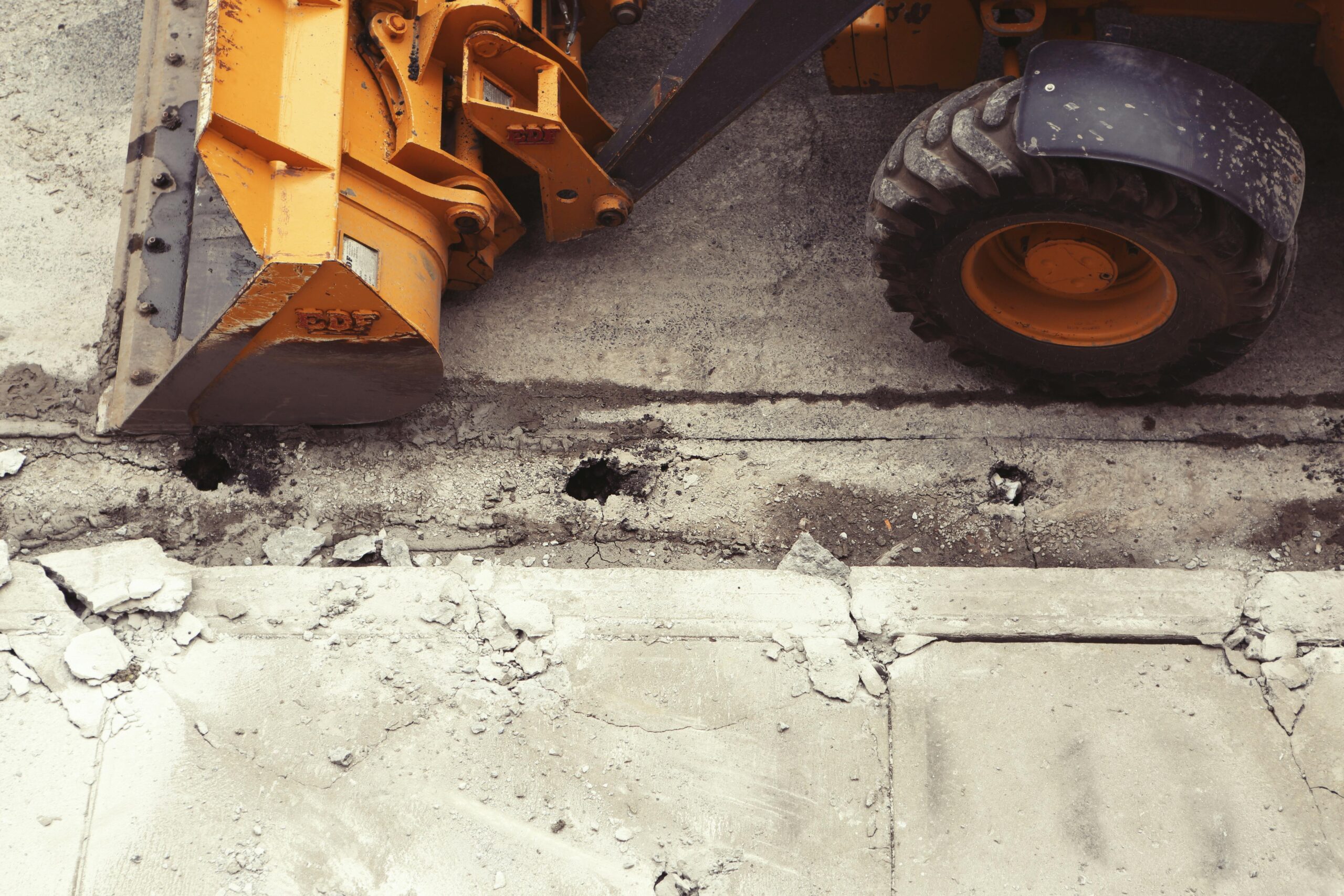
Excavation is one of the very first steps in most construction projects, which means any delays at this stage can ripple through the entire build. Missed timelines, unexpected issues, and poor planning can quickly turn a straightforward excavation into weeks of frustration.
Understanding what causes excavation delays—and how to avoid them—can help homeowners, builders, and property owners stay on schedule and reduce unnecessary costs. In this post, we’ll break down the most common excavation delays, how they impact the excavation timeline, and what you can do to keep your project moving forward.
Excavation sets the foundation for everything that follows. When excavation work is delayed, it can cause:
Because excavation happens early, even small issues can snowball into major timeline problems if they’re not addressed properly.
One of the most common causes of excavation delays is waiting on permits. Many excavation projects require approvals related to grading, utilities, septic systems, or environmental impact.
Local excavation professionals often help guide this process and ensure nothing is overlooked.
Striking underground utilities is one of the most serious excavation issues—and a major cause of construction delays. Even a small utility conflict can shut a site down immediately.
Proper planning keeps crews safe and avoids costly shutdowns.
Not all soil behaves the same way. In Utah especially, excavation crews often encounter rocky ground, clay soils, or unexpected groundwater.
Experienced excavation teams know how to adjust methods without derailing the timeline.
Weather is one of the few factors no one can control, but it can significantly impact excavation timelines. Rain, snowmelt, and freeze-thaw cycles can slow or temporarily halt work.
Planning excavation during spring and early summer often helps reduce weather-related delays.
Skipping proper site prep is a frequent cause of excavation delays. Overgrown vegetation, debris, or unclear site boundaries can slow down progress.
Good preparation helps excavation crews work efficiently from day one.
Changing plans after excavation has started often leads to construction delays. Adjustments to foundation size, utility locations, or grading plans can require rework.
Clear planning keeps excavation timelines predictable.
Inexperience can be one of the biggest contributors to excavation delays. Contractors unfamiliar with local codes, terrain, or equipment may struggle to keep projects moving.
A reliable excavation contractor is key to avoiding unnecessary construction delays.
Experienced excavation teams focus on efficiency, safety, and communication. This includes:
Strong communication between property owners, contractors, and excavation crews helps prevent surprises.
Excavation delays are common—but many are preventable. By understanding what causes setbacks and planning ahead, you can protect your excavation timeline and avoid costly construction delays.
From permits and utilities to weather and soil conditions, the key is preparation and working with professionals who know how to navigate challenges before they become problems.
If you’re planning an excavation project and want to stay on schedule, partnering with an experienced local excavation team can make all the difference.

