If your property has sloped land, drainage issues, or erosion concerns, you’ve probably heard the terms rock wall and retaining wall used interchangeably. While they serve similar purposes, rock walls and retaining walls are not always the same—and choosing the right one can make a big difference in how well your property holds up over time.
In this post, we’ll break down the difference between rock walls and retaining walls, how each one works, when one makes more sense than the other, and why proper excavation is essential no matter which option you choose.
A retaining wall is a structural wall designed to hold back soil and manage changes in elevation. Its primary purpose is stability. Retaining walls are engineered to resist pressure from the soil behind them and are often required for larger grade changes.
Retaining walls are frequently used in construction projects, driveway installations, building foundations, and properties with steep slopes.
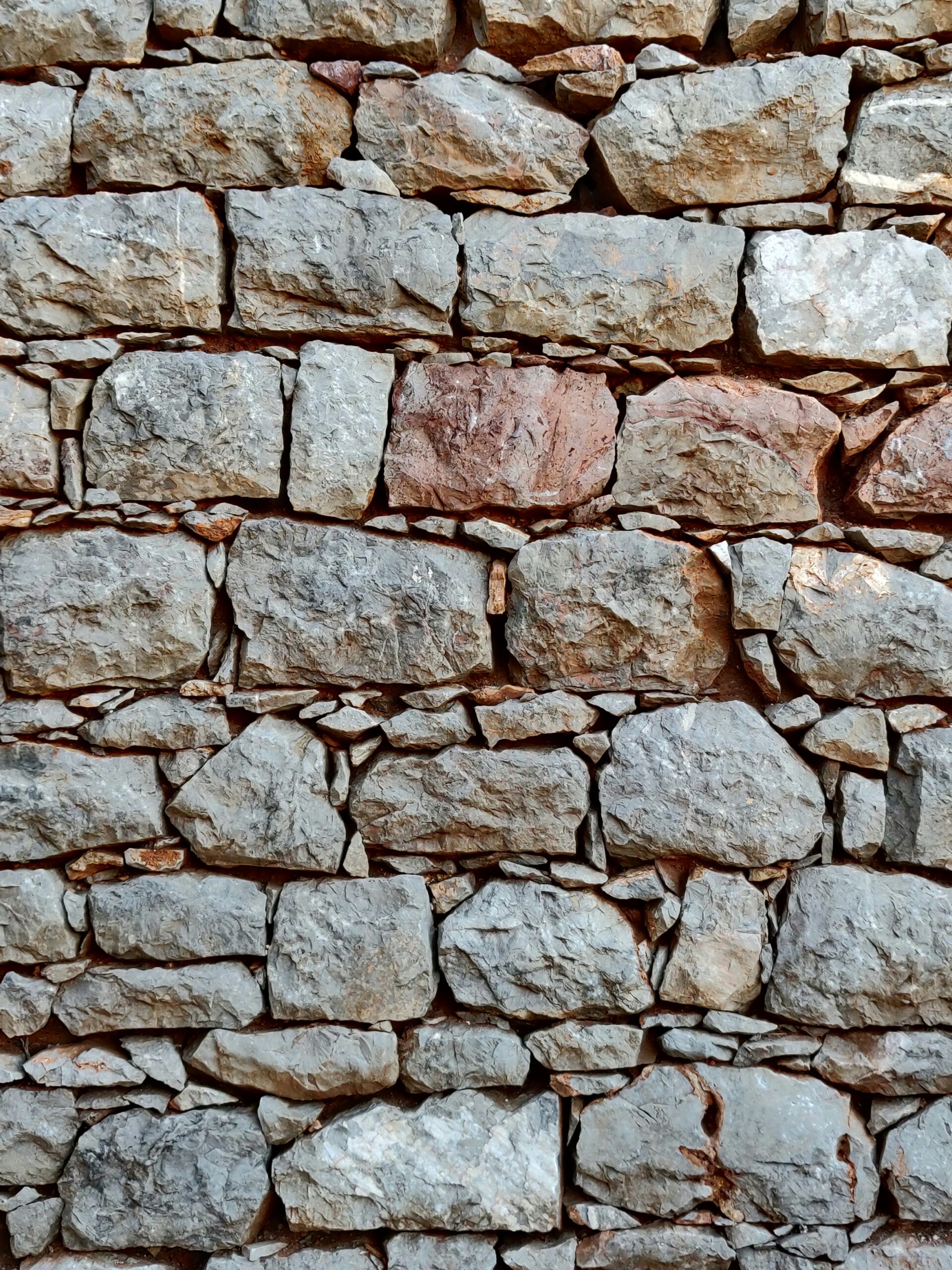
A rock wall is typically built using natural stone or boulders and can be either structural or decorative depending on how it’s constructed. In many Utah properties, especially in mountain and rural areas, rock walls blend naturally into the landscape.
Rock walls may serve as:
Some rock walls are engineered as retaining walls, while others are more aesthetic and provide light soil support.
While the two overlap, there are some important differences to understand.
A traditional retaining wall may be the right solution if:
In areas like Park City, Heber, and Kamas, retaining walls are often necessary due to elevation changes and hillside construction.
A rock wall may be the better option if:
Rock walls are especially popular on Utah properties where natural stone is readily available and aesthetics matter just as much as function.
Yes—but only if it’s built correctly.
A rock retaining wall is still a retaining wall, meaning it must:
This is where professional excavation becomes critical. Poorly built rock walls without proper grading and drainage often fail over time.
Whether you choose a rock wall or a retaining wall, excavation is the foundation of the project.
In Utah’s climate, improper excavation can lead to cracking, shifting, or complete wall failure.
Drainage is one of the biggest reasons walls fail.
Without proper drainage:
Professional excavation contractors install drainage systems such as:
This is essential for both rock walls and retaining walls.
Costs vary depending on:
In general:
A site evaluation is the best way to determine which option fits your budget and needs.
Many retaining walls require permits, especially if they exceed a certain height or support structures like driveways or homes.
Rock walls may also require approval depending on:
Local excavation contractors are familiar with city and county requirements and can help ensure everything is done correctly from the start.
The best choice depends on:
In many cases, homeowners assume a rock wall will be enough—only to discover later that a retaining wall was necessary. A professional excavation assessment can prevent costly mistakes.
Rock walls and retaining walls both play an important role in stabilizing land and improving property usability. The key difference lies in structure, engineering, and how much soil pressure the wall needs to handle.
No matter which option you choose, proper excavation, grading, and drainage are what make the project successful long-term.
If you’re planning a rock wall or retaining wall project, working with an experienced excavation team ensures your wall is built to last—not just look good on day one.
A retaining wall is designed to hold back soil and manage elevation changes, while a rock wall can be either decorative or structural. Some rock walls are built as retaining walls, but not all rock walls provide the engineering support required for holding back large amounts of soil.
Rock walls can be considered retaining walls if they are built to support soil pressure and include proper excavation, grading, and drainage. Decorative rock walls that are not engineered to hold soil are not considered true retaining walls.
Many retaining walls require permits, especially if they exceed a certain height or support driveways, buildings, or other structures. Permit requirements vary by city and county, so it’s best to check local regulations or work with an excavation contractor familiar with local codes.
This depends on local building codes, but many areas require engineering for retaining walls over 4 feet tall. Walls supporting slopes, structures, or roadways often require engineering regardless of height.
Yes, when built correctly. Utah’s freeze-thaw cycles make proper excavation and drainage especially important. A well-built rock retaining wall with proper grading and drainage can last for decades.
For steep slopes or areas supporting structures, a retaining wall is usually the better choice. For moderate slopes, landscaping, or erosion control, a rock wall may be sufficient. A site evaluation helps determine the safest option.
Costs depend on wall height, length, materials, soil conditions, and excavation complexity. Rock walls can be more affordable for small projects, while engineered retaining walls typically cost more due to materials, drainage systems, and engineering requirements.
Without proper drainage, water builds pressure behind the wall, which can cause cracking, leaning, or collapse. Drainage systems relieve this pressure and protect the wall from long-term damage.
Small decorative rock walls may be DIY-friendly, but structural retaining walls should be built by professionals. Improper excavation, drainage, or grading often leads to wall failure and costly repairs.
Project timelines vary based on size, complexity, and site conditions. Small projects may take a few days, while larger retaining walls requiring excavation and drainage systems can take a week or more.
Yes. Excavation plays a major role in determining wall design, drainage needs, and overall stability. Evaluating soil, slope, and site access early helps prevent design changes later.

